quarta-feira, 28 de setembro de 2011

Representações da Mulher Brasileira: estereótipos, fantasias e violência. Por Miguel Nenevé

Recentemente estive na Universidade de New Mexico, nos Estados Unidos como pesquisador visitante e um dos palestrantes que o Institute of Latin American and Iberian Studies convida durante o ano. Ao me dirigir para a universidade naquela manha, o motorista do ônibus que o hotel gentilmente me oferecia para ir à universidade, me perguntou: “ Sobre o que será a palestra? Sobre a beleza da mulher brasileira? “
Logicamente este pergunta pode irritar a qualquer um pela maneira de que é perguntada. A mulher brasileira se destaca pela beleza e charme em todo o mundo, claro. No entanto, é cansativo e irritante a um brasileiro sentir que a ignorância de algumas pessoas fazem pensar que um professor universitário, sendo do Brasil, só poderia falar sobre mulher brasileira. Ademais, há sempre aquela conotação de mulher brasileira ser objeto fácil, ser um produto á venda para pessoas que vivem numa sociedade mais puritana. Como argumenta Edward Said em Orientalismo , criou-se a fantasia do permitido, no outro mundo, no “Oriente” ou no “Sul” a assim asocia-se constantemente a colônia como o local onde há liberdade sexual e as mulheres que ali habitam não precisam ser respeitadas como no “Ocidente” ou no mundo “dos civilizados.” No imaginário de um americano comum ainda persiste aquela visão do europeu sobre a mulher não européia. Se voltarmos bem ao inicio da colonização, ou antes, ainda vamos ver que Américo Vespúcio , (como nos informa Afonso Arinos em O Índio brasileiro e a revolução francesa) em sua famosa “carta Mundus Novus” se referia à mulher da América como “ muito bela”. Mas não pára na beleza, ele precisa estimular a fantasia das pessoas do “Primeiro Mundo’ e complementa: “sua luxúria excede à imaginação humana. O homem possui quantas desejar.” Portanto, os relatos dos viajantes da Europa sobre os “outros” e mais tarde dos países “desenvolvidos” sobre os “subdesenvolvidos” ajudaram a solidificar os estereótipos do Brasil e da mulher brasileira. Acrescente-se a isso a literatura e a publicidade em nosso próprio país que ao longo do tempo foram construindo a imagem do “paraíso” tropical, o paraíso que foi perdido no “Primeiro Mundo.” Este estereótipo vai permacendo e a condição de colônia, de dependência de “países superiores” com certeza ajuda a manter esta visão. Assim a mulher brasileira é ainda associada à “mucama” , a amázia escrava que era objeto de prazer dos “senhores.” E temos que convir, muitas vezes o conceito é alimentado por empresas de turismo, por próprias brasileiros e brasileiras. Algumas empresas ou pessoas lucram com isso ou pensam que lucram e continuam a espalhar o discurso que a mulher brasileira pode ser tratada como objeto. Ademais, a publicidade de empresas de turismo , às vezes até com o apoio da EMBRATUR também colabora para expor ao mundo este produto brasileiro, a mulher como objeto sexual , em posiçao de dependeência ou como incompetente. Há mulheres brasileiras, trabalhando no exterior, que divulgam suas próprias fotos sensuais aos “superiores” do país onde vivem para estimular a imaginação e fantasia dos “colonizadores” e sustentar a crença que estuprar uma mulher de “Terceiro Mundo” não é tão criminoso como estuprar uma mulher de seu “Primeiro Mundo.”
Felizmente este estereótipo eu vi presente em um americano comum, um motorista, e não um professor universitário, por exemplo. Ainda existe no imaginário de uma pessoa sem muita educação, a idéia de que nada que se produza ou que se investigue por um brasileiro tenha valor científico, que possa ser ensinado a um americano.
Por isso que demorei em lhe dar uma resposta. A primeira reação foi rir com ironia, que não sei se ele entendeu, para ganhar tempo. Não queria dar uma resposta mal elaborada, afinal minha palestra era exatamente sobre o discursos que os que se consideram “superiores “ têm sobre os ”inferiores.” Eu iria discutir justamente como os estereótipos e preconceitos “die hard”, (morrem com muita dificuldade) pois vêm desde os tempos de colônia. Precisava dizer, talvez sem demonstrar raiva que a nova mulher brasileira, é inteligente, crítica, e que detesta ser objeto de consumo. Poderia lhe lembrar que, como diz Marcos Cobra, em “Marketing Turístico (2002), “durante anos as feministas tem expressado desagrado com relação a estes estereótipos...não apenas como símbolo de desejo, mas como objeto de consumo.”
No entanto, comecei respondendo que concordava que era muito mais fácil encontrar mulher bonita no Brasil que nos Estados Unidos. Também lembrei a ele que a mulher mais bonita que tinha visto ate então por ali, era uma brasileira, mas que além de bonita era muito inteligente e detestava homem ignorante e preconceituoso. Falei que nós brasileiros nos orgulhamos de ter as mulheres mais bonitas do mundo, isso é fato. Porém , se fosse falar da mulher brasileira poderia estar falando da Clarice Lispector por exemplo “an avant-garde Brazilan writer, writing in favor of women´s rights.” Outras tantas mulheres brasileiras que poderima ser assunto da palestra tais como Rachel de Queiroz, Adélia Prado , Ana Miranda, Gilka Machado, Diva Cunha, Myriam Fraga e Helena Parente Cunha entre muitas outras. Poderia falar de nossa presidente da República, que em breve estaria abrindo a assembléia da ONU, (brasileira que a revista Newsweek escolheu para figurar em sua capa). Sim a mulher brasileira Dilma que sem discurso feminista vem desmantelando preconceitos. Resumindo, poderia falar da mulher brasileira, não somente por sua beleza, mas mais que isso por sua inteligência, sua coragem, sua bravura visível em tantos exemplos.
Concluindo, o retrato da mulher brasileira incorpora uma série de estereótipos, alguns degradantes, outros nem tanto. O que é preciso desmantelar e vem se desmantelando aos poucos é esta imagem da mulher brasileira como uma colônia, uma “mina de pedras preciosas” que somente pode ser observada como algo para dar prazer e lucro ao colonizador. Embora não pareça à primeira vista, estes conceitos de mulher brasileira como objeto de desejo estimula também a violência contra a mulher, que como uma colônia pode ser invadida, explorada, desvirginada estuprada etc. Não se pode combater a violência contra a mulher sem combater estes estereótipos. Apliquemos leis como Maria da Penha, façamos campanha, mas comecemos a desconstruir discursos e estereótipos que à primeira vista são “agradáveis” mas que acabam sendo muito prejudicais. Felizmente a nova mulher brasileira esta mostrando competência para desmantelar preconceitos e destruir estereótipos.
(JORNAL DIARIO DA AMAZONIA no dia 20 de setembro de 2011)

sexta-feira, 5 de agosto de 2011

LAII Features Brazilian Speaker

AUGUST 3, 2011 | By CAROLYN GONZALES

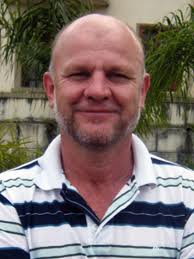
Miguel Nenevé

Latin Amer­i­can and Iber­ian Insti­tute Vis­it­ing Scholar Miguel Nenevé presents, “Travel-writing on the Ama­zon in the Nineties,” Mon­day, Aug. 22, at noon at the LAII, 801 Yale NE, on the main UNM campus.

Nenevé is a pro­fes­sor in the Depart­ment of For­eign Lan­guages at the Uni­ver­si­dade Fed­eral de Rondô­nia, Brazil.

After the death of Chico Mendes at the end of 1988, many for­eign writ­ers, crit­ics, jour­nal­ists and pho­tog­ra­phers flocked to the Brazil­ian Ama­zon in order to divulge to the world “the burn­ing of the Ama­zon,”, the “fate of the for­est,” the “burn­ing of the world,” and many other warn­ings about the region. In his research and this pre­sen­ta­tion, Nenevé ana­lyzes how this dis­course some­what repeats the colo­nial dis­course present in many pre­vi­ous writ­ing on “the cen­ter against the periph­ery,” “the empire over the colonies,” or even “Europe over America.

Nenevé will research UNM Uni­ver­sity Libraries’ excel­lent col­lec­tion of travel writ­ings on the Amer­i­cas. He, and his uni­ver­sity, are inter­ested in widen­ing the research per­spec­tives for their mas­ters stu­dents in Ama­zon­ian stud­ies and travel writ­ing on the Ama­zon and the Americas.

Media con­tact: Car­olyn Gon­za­les, 277‑5920; e-mail: cgonzal@unm.edu
http://news.unm.edu/2011/08/laii-features-brazilian-speaker/

quinta-feira, 5 de maio de 2011

RIO

para
ver
se o rio
ri
para mim

num dia

sombrio

sem brio
Sem sol
sem brilho
sem
Você
aqui.
O rio desligado desliza

(Miguel Nenevé)

segunda-feira, 7 de março de 2011

Dia Internacioanl da Mulher. Celebremos com "l´ecriture feminine"

Nós, mulheres
Rose Siepamann

“To comprehend a nectar/ Requires the sorest need." (E Dickinson)

Relendo um jornal antigo que encontrei enquanto fazia faxina em uma das gavetas da cômoda, notei surpresa que a autora era a consagrada Isabel Allende. O jornal é “POPULAR Newspaper” edição do dia 21 de Abril de 2010 que é vendido em todo Estado de Colorado. O artigo tem como titulo: Carta de una Mama a Sus Hijos” . Tentarei repassar a mensagem porque apesar de obvia, é importante as vezes que alguém ou algo nos lembre o que é ser mãe. Assim começa Allende: Siempre que quieren hablar de madres en la television muestran mujeres con chicos en los brazos, sonrientes, dulces, carinosas, sin una pizca de cansancio, esplendidamente maquilladas y a eso agregan maravillosas frases de posters. !! Mentiras!!!
Quem já é mãe ou mulher já sabe que a autora tem toda razão. Usando a linha de raciocino ainda de Allende: Nos mães não somos mulheres abnegadas amantes do sacrifício, guerreiras sempre. Nos mães choramos abraçadas a almofada quando ninguém esta por perto pra nos ver, pedimos peridural na hora do parto para amenizar a dor, detestamos ter que colocar o despertador as duas da manha pra buscar o filho na festa. Não gostamos quando a professora baixa a nota dos nossos rebentos só porque ele(a) não sabe onde fica o Aconcagua, afinal a quem isso importa? Mas, não podemos dizer nada!!!
Não é que adoramos ficar horas na cozinha pra preparar um peixe que não tenha cheiro de peixe e dissimulando os legumes e as verduras pra que nossos filhos comam e cresçam como deve ser.
Não é que nos preocupemos se estão na chuva ou não, é que não queremos que adoeçam. Não é que los amamos mais quando se banham... é que não queremos que os outros os chamem de “sujinhos” .
Mãe não tem a ver com fraldas, gravidez e sorriso de aspirante. Tem a ver com Querer a Alguém mais do que a nos mesmas. É fazer qualquer coisa para evitar que vocês filhos (as) sofram... nada, nunca, jamais.
Quando chegam correndo porque se machucaram o pezinho, permitindo que nos demos consolo, quando nos fazem um elogio, nos fazem melhores.
Ate passamos a cantar as canções da Xuxa ou ouvir rock em alto volume mesmo que estes estilos passam longe do nosso gosto musical. Estudamos a tabuada repassando umas 500 vezes para que aprendam, vamos ao futebol, as festinhas de crianças, ao balé, ao teatrinho da escola, ao medico, ao dentista, comprar calças, uniformes, mochilas, borrachas coloridas e jogos de “play station”.
A cada manha lavamos o rosto ou saímos do banho com um sorriso de orelha a orelha para fazê-los saber que a vida é boa, mesmo que as coisas estejam indo de mal a pior.
Buscamos outro trabalho, compramos livros, estudamos, vamos ao psiquiatra, ao pediatra, negociamos com os credores e com os professores, ajudamos no dever de casa. Embelezamo-nos, nos irritamos, rimos, choramos de bruxas nos convertemos em fadas, somente para vê-los felizes. Vê-los felizes nos faz felizes. Que bom seria se pudéssemos em apenas um estalar de dedos fazer com que o mundo fosse melhor!
Obrigada filhos por nos fazerem tão importantes.
Obrigada pelos abraços e beijos, pelos dentes de leite, pelos cartões e cartinhas com desenhos dependurados na geladeira. Pelas muitas noites sem dormir, pelos boletins, pelas plantas quebradas no jardim durante os jogos de bola, pelo meu estojo de maquiagem arruinado, pelas fotos das festinhas de São João.
Tudo isso são nossas medalhas! Obrigada pelo teu amor. E é isso que nos faz grandes,

sexta-feira, 18 de fevereiro de 2011

Bridging Guyanese and Brazilian Literature

By Al Creighton  |  0 Comments  
Features, Sunday | Sunday, November 8, 2009 
This week, Arts on Sunday revisits the comparative literature of Guyana and Brazil as relations between the two South American neighbours deepen and the University of Guyana renews its study of Portuguese. Visiting Professor Miguel Neneve of the Department of Language and Cultural Studies at the University of Guyana and Roseli Siepamann of the University of Rondonia in Brazil write about building bridges between Brazilian and Guyanese literature
By Miguel Nenevé – University of Guyana & University of Rondonia
and Roseli Siepamann – University of Rondonia


The opening of the bridge over the Takutu River has given rise to many ideas, opinions, discussions and arguments about the relations between Brazil and Guyana.

Depending on their political position people have the most varied views of the advantages and disadvantages of the bridge. In this article we would like to discuss the relations between Brazil and Guyana from a different approach; one not always used for such analysis: we refer here to the field of literature.

The presence of Brazil does not appear to be common in Guyanese literature and vice versa. In fact, as Brazilian readers, we feel the absence of a look at Brazil by Guyanese writers, as most of them prefer to look at the North and explore the Caribbean context. The mention of the border of Brazil in Wilson Harris’s Palace of the Peacock seems to be a beginning. However, there are two authors who we would like to explore here who invite the readers to be aware of the geographical context of Guyana and realize the real presence of Brazil. One of these is Cyril Dabydeen, born in Berbice, and the other is Pauline Melville born in the region of Rupunini. Both of them have been living abroad for a long time, but keep writing about their country.


Takutu Bridge
Before leaving for Canada, Dabydeen won the Sandbach Parker Gold Medal for his poetry (1964) here in Guyana. Today, a lecturer at the University of Ottawa, having lived in Canada for more than 30 years  he keeps writing about  his land, Guyana, never forgetting the South American context and neighbouring Brazil. In his book of short stories Black Jesus, for example, he includes the story “All for Love”, about Brazilians living in Canada. The writer explores here how the Brazilian way may be adapted to a Canadian reality. Brazilians outside Brazil seem to be attached to their country, although they know there is no possibility of returning home. The story also helps us to understand the author’s perception of Brazil, a perception drawn from his life in Guyana mixed with his Canadian experience: “The immense tropical heat, cacophony of bewildering noises in the streets; percussion and more voices everywhere. My constant imagining”.

One may also ask whether the author repeats the old stereotypes perpetuated by colonizers in their writings about Brazil and the Amazon, or whether he presents Brazil from the South American perspective. It seems that in some ways he deconstructs some views of the tropical Brazil portrayed by First World travel writers. In addition to this interesting factor, Dabydeen, as an immigrant in Canada, in many of his stories, uses memories of his life in South America mixed with some beliefs he acquired in the North.

In his book of poetry Born in Amazonia, Dabydeen explores his worldview based on his South American experience, always with a consciousness of Brazil. The legend of the jaguar is associated with its “continuing myth-making in South America.”  The author suggests that in the Amazon we live mystery and fantasy – god and humans and their fellow creatures face a world of expectations, loss, and nostalgia. The jaguar is sometimes a competitor to the men – something which reminds us of the Argentinean writer Jorge Luis Borges’ story La Escritura Del Dios in which a man is in a prison facing a jaguar.

Writing about the Yanomamis in Roraima Dabydeen says: “Of the forest he has known all his life; an eye riveted to an ancient sky/as Brazil continues to shape its destiny”.  Born in Amazonia, in fact, combines heterogeneous peoples, landscapes, ecology and a very significant concern with the social and historical reality of these peoples. The poet seems to be saying that we Brazilian and Guyanese, living in the frontier, are surrounded by myths which may be stories that mediate in this way between the known and unknown. Allusion to South American historical and literary characters and the use of Spanish and sometimes Portuguese words seem to reveal the poet’s desire to write from within a South and Latin American context. As in Dabydeen’s stories, the memories, and the desires of the immigrant in Canada to “fit” in the South American setting become visible in his poetry.

Pauline Melville also left Guyana many years ago and is now a British citizen. Her first novel The Ventriloquist´s Tale, however is all about Guyana and the presence of Brazil is visible from the beginning to the end of the book. In the prologue, the author mentions Mário de Andrade the creator of the novel Macunaima and proposes to “rewrite” the Brazilian work. The McKinnon family in the Rupununi has a very close contact with the country. The father of the family learned Portuguese in order “to manage when he went over the river to Brazil.” His contact with the neighbouring country, among other things, has economic motivation, as the narrator tells us: “A few weeks later, McKinnon returned in high spirits on horseback from a visit to Boa Vista in Brazil where he had heard that someone was able to grow apples”.

The narrator refers many times to McKinnon´s visit to Brazil and suggests that he once stayed there for a long period. Danny and Beatrice, McKinnon´s children who had an incestuous relationship and were trying to conceal it from the family, cross the border into Brazil. Later, being obliged to stop that relationship, Danny marries Silvana, a Brazilian girl and gets employed by a Brazilian company. Another character “resented the increasing number of alien coastlanders and Brazilians who were invading the region to settle there.”  These are further references to the constant crossings of the border that have been taking place and that keep the Brazilian presence alive in the Guyanese work. The reader can even see the mention of Brazilian football: “He plays for Brazil, Marietta joked.” At the end of the book, the narrator almost reveals  his name “Macu…” which can be a reminder that he is not exactly the Macunaima Mario de Andrade created, but a variant of that character.

Therefore, we suggest that both Dabydeen’s and Melville´s works are very relevant as they raise issues of space, displacement, and the significant border Guyana has with Brazil. Through their exploration of many myths and symbols belonging to the Brazilian region, and in their mention and rewriting of Brazilian authors, the writers suggest that Guyanese should be aware of the presence of Brazil in their reality.

Both works, Dabydeen´s and Melville´s are stimuli for the reader to reflect on the ecological issues and on the ongoing social and historical forces that are present in the Amazon region. Moreover, Brazilians should also be aware of Guyana, a neighbouring English speaking country rich in culture, myths, beliefs and good literature.